

Have you ever noticed how some hair oils are easy to apply and wash, while others feel so thick that even one wash is not enough? Castor oil belongs to the second category. Known as arandi ka tel in India, it has been used in many households for years, especially by people who prefer traditional hair care over expensive hair products.
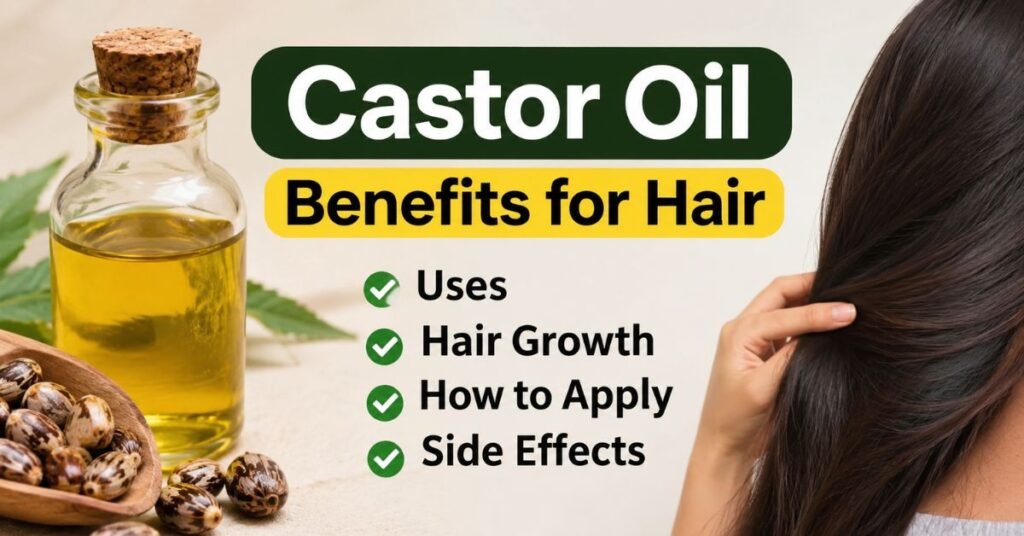
You may have seen people applying castor oil to their scalp, mixing it with coconut oil or using it as an overnight hair treatment. Some believe it makes hair thicker, while others use it to improve shine and manage dry hair. But how much of this is actually true?
The truth is that castor oil has some useful properties for hair care, but it is not a magic solution for every hair problem. It can help improve the appearance of your hair, but its ability to stimulate new hair growth has not been proven through strong human studies.
If you are thinking about adding it to your hair care routine, it is important to understand how it works, how to apply it properly and what mistakes to avoid.
Let’s look at everything you should know before using castor oil for your hair.
Table of Contents
What Is Castor Oil and Why Is It Used for Hair?
Castor oil is a natural vegetable oil extracted from the seeds of the castor plant (Ricinus communis). In India, it is commonly called arandi ka tel. It is naturally thick and sticky compared with coconut, almond or mustard oil.
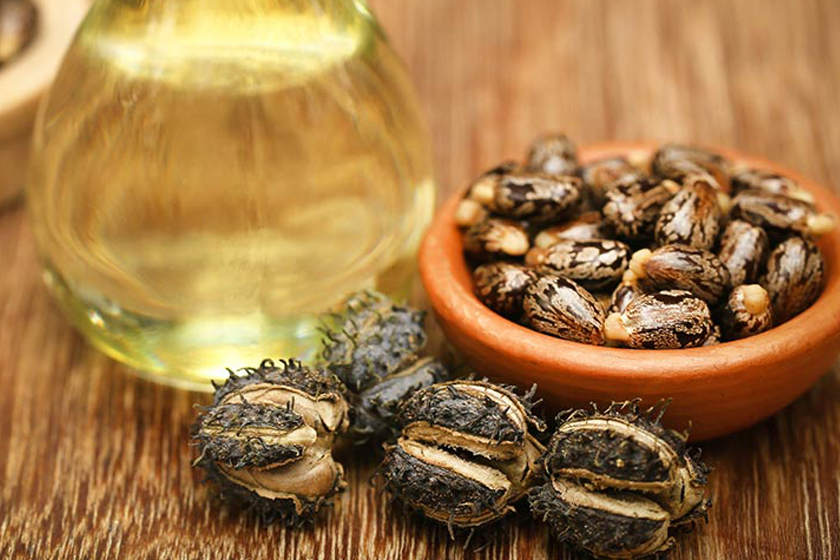
One of its main components is ricinoleic acid, a fatty acid that makes up a large part of its composition. This gives castor oil its unique texture and makes it useful in different cosmetic products.
Unlike regular hair oils that spread easily, castor oil forms a heavier coating over the hair. This can help improve the look and feel of dry hair by making the strands appear smoother and shinier.
Many people also use it because it is easily available in local medical stores, grocery shops and online marketplaces. However, its traditional popularity should not be confused with scientific proof of hair growth.
7 Castor Oil Benefits for Hair You Should Know
The advantage of castor oil for hair depends largely on how you use it and what you expect from it. It may be useful as a conditioning oil, but it should not be treated as a treatment for hair loss.
Here are some practical ways it may support your hair care routine.
1. Makes Hair Look Shinier
One noticeable benefit of castor oil is the shine it can give to dull-looking hair. Its thick texture creates a coating around the hair strands, which can improve how they reflect light.
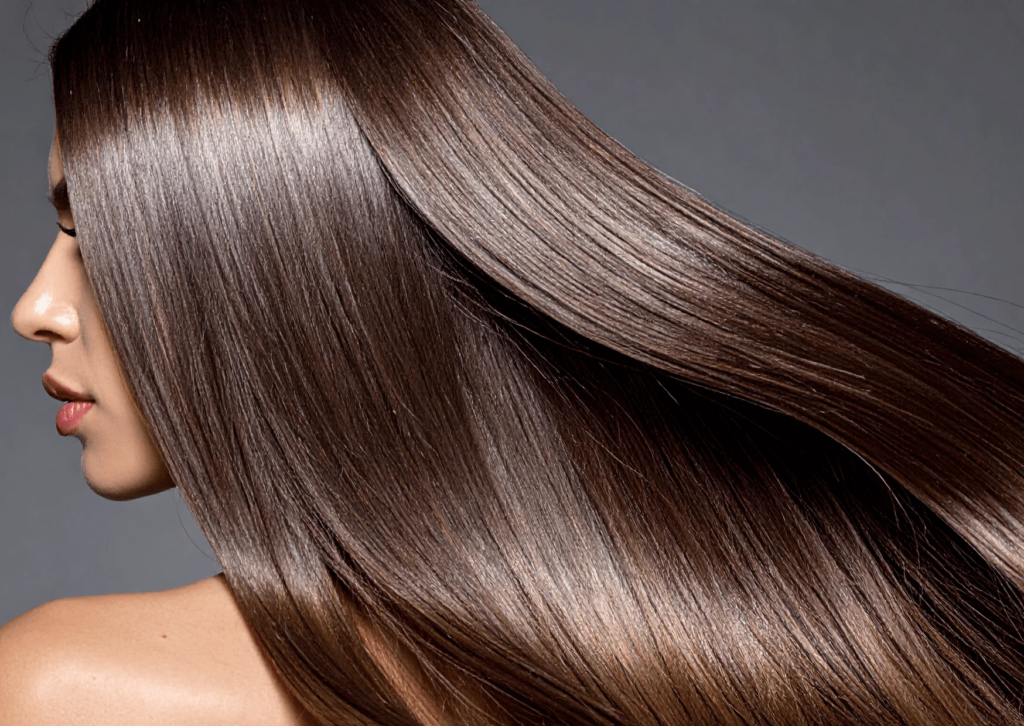
If your hair looks rough or lacks its natural shine, a small amount of castor oil may improve its appearance. You do not need to apply a large quantity to get this effect.
However, remember that shine does not mean your hair has become healthier from the inside. It is mainly a cosmetic improvement.
2. Helps Improve the Feel of Dry Hair
Dry hair often feels rough and difficult to manage. Castor oil can act as an emollient, helping the hair feel smoother by reducing friction between strands.

This can be useful when your hair becomes dry due to frequent washing, heat styling or exposure to dust and pollution.
For better results, use it in a diluted form rather than applying a thick layer directly. This makes it easier to spread and wash out.
3. Makes Hair Easier to Manage
If your hair gets tangled easily, you may find it difficult to comb, especially after washing.
A small amount of castor oil can help provide slip to the hair strands. This may make combing easier and reduce the pulling that happens while removing tangles.

It is particularly useful for people with long, dry or coarse hair. Just avoid applying too much, as excess oil can make the hair heavy and difficult to clean.
4. Helps Reduce Friction During Hair Care
Hair damage does not always happen because of a serious hair problem. Sometimes, it happens because of small daily habits such as rough towel drying, aggressive combing and repeated styling.
When hair strands rub against each other, they can become more difficult to manage and may break during combing.

Castor oil can provide a temporary coating that reduces friction. This may help make daily hair handling easier.
However, it should not be considered a guaranteed treatment for split ends or existing hair damage.
5. Can Improve the Appearance of Thin Hair
People with fine or thin-looking hair sometimes use castor oil because it makes individual strands look coated and shinier.
This can give the hair a fuller-looking appearance for a short time. However, it does not mean that the number of hair follicles has increased or that new hair has started growing.
There is an important difference between making existing hair look fuller and actually increasing hair density.
6. Supports a Simple Hair Conditioning Routine
Not everyone wants to use multiple hair products. Some people prefer keeping their routine simple with a shampoo, conditioner and one hair oil.
Castor oil can be included as an occasional pre-wash conditioning step if your hair tolerates it.
You can mix a small amount with a lighter oil to make application easier. This is a more practical approach than covering your entire scalp with thick oil.
7. Can Be Useful for Dry Hair Ends
The ends of long hair are usually older than the hair near the roots. They also experience more friction from combing, clothing and styling.
If your hair ends feel dry, applying a tiny amount of diluted castor oil may help them look smoother.
Focus on the lengths and ends rather than repeatedly applying heavy oil to your scalp. This is especially useful if your scalp already produces enough natural oil.
Is Castor Oil Good for Hair Growth?
This is probably the biggest reason people search for castor oil.
You may have heard that regular application of castor oil can make hair grow faster, increase thickness or even help fill empty patches. But is there any real evidence behind these claims?
At present, there is no strong clinical evidence showing that applying castor oil directly to the scalp increases hair growth in humans.
Castor oil contains ricinoleic acid, which has attracted scientific interest because of its possible biological effects. Some early research has explored its interaction with pathways related to hair loss. However, these findings do not prove that applying the oil can regrow hair.
A systematic review published in the Journal of Drugs in Dermatology in 2022 also found that evidence supporting castor oil for hair growth was not strong.
So, what should you expect?
- It may improve hair shine and make existing strands look smoother.
- It may make dry hair easier to manage.
- It may improve the temporary appearance of hair thickness.
- It should not be relied on to treat bald patches, genetic hair loss or excessive hair fall.
If you are experiencing continuous hair thinning, a dermatologist can help identify the actual cause. Depending on the reason, treatments such as minoxidil or other medical options may be more appropriate.
Our take: Use castor oil for hair conditioning if it suits you, but do not depend on it as your main hair growth treatment.
How to Use Castor Oil for Hair Correctly
One common mistake people make is applying too much castor oil. Since it is naturally thick, using it like regular coconut oil can make your hair greasy and difficult to wash.
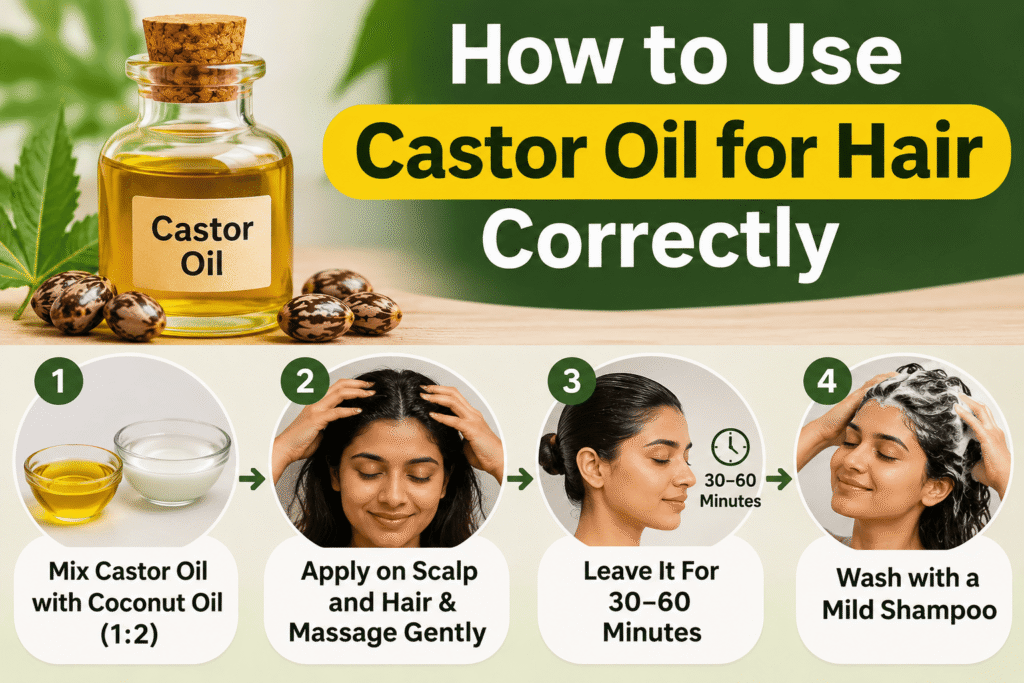
A better approach is to start with a small quantity and see how your hair responds.
Method 1: Mix Castor Oil with Coconut Oil
- Take one teaspoon of castor oil in a small bowl.
- Add two teaspoons of coconut oil.
- Mix both oils properly.
- Apply a small amount to your scalp and hair lengths.
- Massage gently using your fingertips without scratching your scalp.
- Leave it for around 30–60 minutes.
- Wash with a mild shampoo and rinse properly.
This mixture is easier to spread than pure castor oil. You can adjust the quantity depending on your hair length and thickness.
Method 2: Apply It to Dry Hair Ends
If your main concern is rough or dry hair ends, you may not need to apply oil to the entire scalp.
Take one or two drops of castor oil, mix them with a lighter hair oil and gently apply the mixture to the ends.
Avoid using too much, as the hair may start looking greasy.
Method 3: Mix It with Almond Oil
Almond oil has a lighter texture and can make castor oil easier to distribute.
Mix one part castor oil with two parts almond oil. Apply a small quantity to your hair lengths before washing.
This method can be suitable for people who find pure castor oil too heavy.
Important: Before your first application, perform a patch test on a small area of skin. Avoid using the oil if you notice itching, redness or irritation.
Castor Oil vs Coconut Oil: Which Is Better for Hair?
Both oils are popular in Indian households, but they have different properties and uses.
| Comparison | Castor Oil | Coconut Oil |
|---|---|---|
| Texture | Very thick and sticky | Comparatively lighter |
| Application | Difficult to spread alone | Easy to spread |
| Hair shine | May improve shine | May improve shine |
| Hair conditioning | Useful as an emollient | Helps reduce protein loss from hair |
| Washing | Can be difficult | Usually easier |
| Hair growth | Not clinically proven | Not a proven hair regrowth treatment |
| Best use | Occasional conditioning | Regular pre-wash hair care |
Coconut oil has better research support for reducing protein loss from damaged and undamaged hair fibres. Castor oil has weaker evidence for improving hair quality, mainly through increased shine.
If you want an easier oil for regular pre-wash hair care, coconut oil may be a more practical choice. If you like the texture and conditioning effect of castor oil, you can use it occasionally in a diluted form.
Castor Oil for Hair Side Effects: What Should You Watch Out For?
Natural products are not automatically safe for everyone. Even though castor oil is commonly used in hair care, it can cause problems if your scalp does not tolerate it.
Here are some possible castor oil for hair side effects.
1. Scalp Irritation
Some people may experience itching, redness or irritation after applying castor oil.
This can happen because of skin sensitivity or an allergic reaction. Stop using it if you notice these symptoms.
2. Allergic Contact Dermatitis
In some cases, castor oil can cause allergic contact dermatitis. You may notice redness, itching, swelling or a rash around the area where you applied it.
If the reaction is severe or does not settle after stopping use, consult a dermatologist.
3. Greasy Hair and Product Build-up
Because castor oil is thick, it can stay on the hair even after washing.
Applying too much can leave your hair greasy, heavy and uncomfortable. It may also contribute to scalp build-up.
Use a small quantity and shampoo properly instead of applying more oil to your hair every day.
4. Scalp Pimples and Clogged Pores
Some people may develop small bumps or acne-like breakouts after applying heavy oils near their hairline or scalp.
If you already have an oily scalp or are prone to scalp pimples, be careful with castor oil.
5. Severe Hair Matting in Rare Cases
A very rare but serious problem associated with castor oil is acute hair felting.
This condition causes hair to become severely tangled and matted. In reported cases, the hair became extremely difficult or impossible to separate.
Although this is uncommon, it is another reason not to apply excessive amounts of thick oil.
If you experience sudden severe matting, avoid forcefully combing or pulling the hair and seek professional help.
How Often Should You Apply Castor Oil to Your Hair?
There is no scientifically established frequency for using castor oil on hair because it has not been proven as a hair growth treatment.
For cosmetic conditioning, you can start with once a week and observe how your scalp and hair respond.
Your hair type also matters.
| Hair Type | Suggested Approach |
|---|---|
| Dry hair | Try a small diluted amount once a week |
| Oily scalp | Avoid heavy scalp application |
| Fine hair | Use very little on the hair ends |
| Thick or coarse hair | Try a diluted pre-wash treatment |
| Sensitive scalp | Perform a patch test or avoid if irritation occurs |
These are practical hair-care suggestions, not medically established treatment schedules. If your scalp feels uncomfortable or develops irritation, stop using the oil.
Common Mistakes to Avoid When Using Arandi Ka Tel for Hair
Many people judge an oil based on how much they apply, but using more does not always give better results.
If you are planning to use arandi ka tel for hair, avoid these common mistakes:
- Applying pure castor oil in a very large quantity.
- Leaving heavy oil on the scalp overnight when you are not sure how your skin will react.
- Applying it every day in the hope of faster hair growth.
- Mixing it with too many different oils or ingredients without knowing whether they suit your scalp.
- Ignoring itching, redness or small bumps after application.
- Expecting castor oil to treat genetic hair loss or bald patches.
A simple routine is usually easier to follow and helps you understand whether a particular product is actually suiting your hair.
Who Should Avoid Using Castor Oil on Hair?
Although many people can use castor oil without any problem, it may not be suitable for everyone.
You should avoid it or seek professional advice before using it if:
- You have a known allergy to castor oil.
- Your scalp is already irritated or has an active rash.
- You frequently experience scalp pimples after applying heavy oils.
- You have an existing scalp condition that gets worse with oil application.
If you have sudden or unexplained hair loss, do not delay medical evaluation just because you are trying natural remedies.
Final Thoughts: Is Castor Oil Worth Adding to Your Hair Care Routine?
Castor oil can be a useful option if you want to improve the appearance and manageability of dry or rough hair. Its thick texture may help coat the hair strands, making them look shinier and feel smoother.
However, it is important to keep your expectations realistic. The castor oil benefits for hair are mainly related to cosmetic conditioning, and there is not enough clinical evidence to say that it directly increases hair growth.
If you enjoy traditional hair oiling, you can try a small amount of arandi ka tel mixed with coconut or almond oil. There is no need to apply it daily or leave it on your scalp for an entire night.
The best hair care routine is not the one with the most products. It is the one that suits your scalp, keeps your hair manageable and does not create new problems.
Frequently Asked Questions (FAQs)
1. Is castor oil good for hair growth?
Castor oil is not a clinically proven hair growth treatment. It may improve hair shine and appearance, but there is no strong human evidence that it stimulates new hair growth.
2. Can I apply castor oil directly to my scalp?
You can apply a small amount if your scalp tolerates it. However, because it is thick, mixing it with coconut or almond oil can make application easier.
3. Can I leave castor oil in my hair overnight?
It is better to start with a shorter application of 30–60 minutes. Leaving it overnight is not necessary to get its cosmetic conditioning benefits and may increase discomfort or build-up for some people.
4. Does castor oil make hair thicker?
It can make existing hair strands appear fuller because of the coating it leaves behind. However, it does not have proven effects on increasing the actual number of hair strands.
5. Can I mix castor oil with coconut oil?
Yes. Mixing one part castor oil with two parts coconut oil is a practical way to make it easier to spread and wash out.
6. How long does castor oil take to show results on hair?
There is no proven timeline for hair growth because castor oil has not been established as a regrowth treatment. Its cosmetic effects, such as shine, may be noticeable after application.
7. Can castor oil cause hair fall?
Castor oil is not known to directly cause hair loss in most users. However, irritation, allergic reactions or forceful handling of heavily tangled hair can contribute to hair problems.
8. Is arandi ka tel suitable for oily hair?
People with oily scalps may find its thick texture uncomfortable. If you still want to try it, use a very small amount on the hair lengths rather than applying it heavily to the scalp.
9. Can I use castor oil on my hair every day?
Daily application is generally unnecessary. Its thick consistency can cause product build-up, so occasional use is a more practical approach.
10. Is castor oil better than coconut oil for hair?
Not necessarily. Coconut oil has stronger research support for reducing hair protein loss, while castor oil has weaker evidence for improving hair shine. The better option depends on your hair care needs.
Editorial Note: This article is for general hair-care information and does not replace professional medical advice. Persistent hair fall, scalp irritation or sudden bald patches should be evaluated by a qualified dermatologist.
Research References:
- Phong C. et al. (2022). Coconut, Castor, and Argan Oil for Hair in Skin of Color Patients: A Systematic Review. Journal of Drugs in Dermatology. https://pubmed.ncbi.nlm.nih.gov/35816075/
- Cleveland Clinic – Castor Oil Benefits and Uses. https://health.clevelandclinic.org/castor-oil-benefits
- Girdler et al. (2026). Use of Castor Oil in Dermatology: A Narrative Review. https://pmc.ncbi.nlm.nih.gov/articles/PMC12978418/