

Have you ever masturbated and then wondered whether doing it every day is affecting your health? Maybe you feel tired afterwards, notice less interest in other activities or simply worry that you are doing it too often. These questions are quite common, especially among young men who do not feel comfortable discussing sexual health openly.
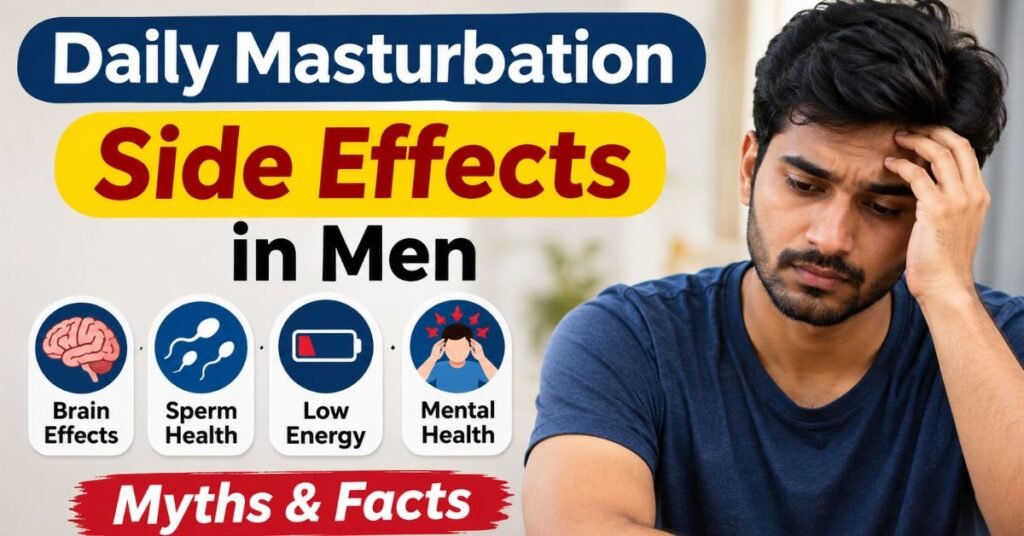
There are many claims about masturbation on the internet. Some say it reduces sperm count, others say it causes weakness, hair loss or memory problems. You may also find people claiming that daily masturbation damages the brain or reduces a man’s ability to perform sexually.
But how much of this information is actually true?
The truth is that masturbation is a normal sexual activity, and doing it daily does not automatically cause health problems. However, the way you masturbate, how often you do it and whether it affects your daily routine are important things to consider.
In this guide, we will discuss the possible side effects of masturbation in male daily, its effects on the brain, physical changes, sperm health, energy levels and signs that your habit may need attention.
Is Daily Masturbation Harmful for Men?
Let’s clear up the biggest question first. Daily masturbation is not automatically harmful for men.
There is no medically fixed number that decides how many times a man can masturbate in a day or week. Some men masturbate daily, some do it occasionally, and others do not masturbate at all. All these patterns can be normal.
Masturbation is a way of understanding your sexual response and releasing sexual tension. During orgasm, the body experiences temporary changes in brain chemicals and hormone activity. This can create feelings of pleasure, relaxation and sometimes sleepiness.
The problem is not simply the number of times you masturbate. It becomes a concern when you start ignoring your work, sleep, personal relationships or other important activities because of it.
For example, if a man masturbates once every evening and continues his normal routine without discomfort, there is generally no reason to worry. But if someone repeatedly stays awake late at night, misses work or feels unable to control the habit despite wanting to stop, it may be worth looking at the behaviour more closely.
According to Planned Parenthood, even daily masturbation or more than once a day can be normal as long as it does not interfere with everyday life.
7 Possible Side Effects of Masturbation in Male Daily
Although masturbation is generally safe, doing it very frequently or using too much pressure can sometimes create temporary physical or emotional discomfort.
Here are some effects worth understanding.
1. Temporary Tiredness or Sleepiness
One of the most common questions men ask is why they feel sleepy or relaxed after masturbation.
This happens because sexual activity and orgasm involve changes in the nervous system and the release of chemicals associated with pleasure and relaxation. After ejaculation, some men feel calm, tired or ready to sleep.

This feeling is usually temporary. It does not mean that your body has lost important energy or that your physical strength has decreased.
However, if you regularly masturbate late at night and sacrifice your sleeping hours, you may feel tired the following morning. In that situation, the lack of sleep is a more likely reason for your low energy than masturbation itself.
2. Skin Irritation or Penis Sensitivity
Frequent masturbation with too much pressure or friction can irritate the skin around the penis.
You may notice redness, mild soreness, dryness or temporary sensitivity, especially if you repeat the activity without giving your skin time to recover.
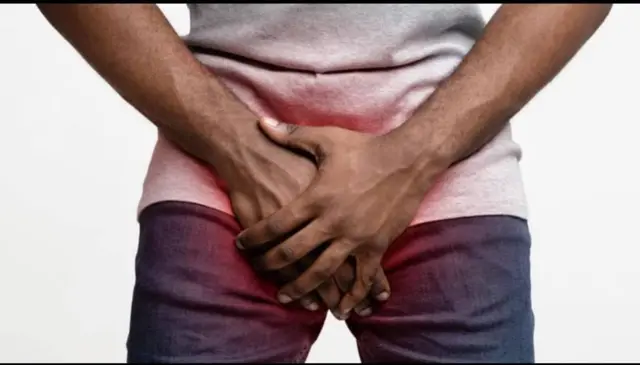
This is one of the more realistic physical masturbation side effects.
To avoid unnecessary irritation, use gentle pressure, avoid rough movements and consider a suitable water-based lubricant if needed. If soreness develops, take a break until the area feels normal again.
Persistent pain, swelling, cuts or skin changes should be checked by a doctor.
3. Temporary Difficulty Reaching Another Orgasm
Have you noticed that after ejaculating, you cannot get another erection immediately?
This is usually a normal part of male sexual response.
After ejaculation, men generally experience a period called the refractory period. During this time, the body may need some time before another erection or orgasm is possible.

The duration is different for every person. It may be short for some men and longer for others. Age, health, stress and individual differences can all play a role.
This is not permanent erectile dysfunction and does not mean masturbation has damaged your sexual ability.
4. Temporary Changes in Sexual Sensitivity
Some men become used to a particular grip, pressure or speed while masturbating.
If the stimulation is much stronger than what they experience during partnered sex, they may sometimes find it harder to reach orgasm with a partner.
This does not happen to every man, and it does not mean that masturbation permanently damages the nerves.
If you notice this difference, try using a gentler technique and avoid relying on one specific type of stimulation every time.
If the problem continues during partnered sex, a sexual health professional can help identify whether stress, medication, relationship factors or another health condition is involved.
5. Guilt, Anxiety or Overthinking
Not every effect of masturbation is physical.
Some men feel guilty immediately afterwards. This can happen because of family beliefs, cultural expectations, personal values or fear created by misleading information online.
For example, someone may masturbate and then spend the next few hours worrying that he has damaged his body, reduced his testosterone or lost his strength.
This kind of repeated worry can affect confidence and peace of mind.
It is important to understand that masturbation itself is not a sign of poor character or a lack of self-control. If guilt or anxiety becomes difficult to manage, talking to a qualified counsellor can help.
6. Disruption to Work, Studies and Daily Routine
This is one of the more important signs to watch.
If masturbation starts taking up so much time that you regularly delay your work, avoid social activities or ignore responsibilities, it may be affecting your lifestyle.
For example, a person may repeatedly postpone important tasks because of pornography or masturbation. Another may spend hours on sexual content even when he has other plans.
The issue here is not simply sexual desire. It is the loss of control over a behaviour that is starting to interfere with everyday life.
If you find yourself repeatedly trying to reduce the habit but cannot, consider speaking with a mental health professional.
7. Temporary Genital Discomfort
Repeated ejaculation over a short period can sometimes leave the penis or surrounding area feeling sensitive or slightly sore.
Some men also experience temporary discomfort around the pelvic area.
This usually improves with rest. However, severe or ongoing pain should not be ignored.
Masturbation should not cause persistent testicular pain, blood in semen or painful urination. These symptoms need medical evaluation rather than being treated as normal effects of ejaculation.
Side Effects of Masturbation in Male Daily on Brain: What Does Science Say?
This is another area where people often get confused.
You may have heard that daily masturbation damages brain cells, reduces memory, lowers intelligence or makes a person less focused.
There is no good scientific evidence that normal masturbation causes brain damage, memory loss or a reduction in intelligence.
During sexual arousal and orgasm, the brain becomes active and releases several chemical messengers.
Some of the important ones include:
Dopamine: It is involved in motivation, pleasure and the brain’s reward system. It plays a role in sexual excitement and satisfaction.
Oxytocin: It is associated with social bonding and other body functions. Its levels can change during sexual activity.
Endorphins: These are natural chemicals involved in pleasure and pain regulation.
Prolactin: Its levels can temporarily increase after orgasm and are associated with changes in sexual response.
These are normal biological processes. They do not mean that masturbation is damaging the brain.
Can Daily Masturbation Affect Memory and Concentration?
Masturbation itself has not been proven to cause memory loss or permanently reduce concentration.
However, your routine around the habit can make a difference.
For example, if you spend several hours watching pornography, stay awake late at night and wake up tired, you may struggle to concentrate during the day.
In such cases, poor sleep, excessive screen time and disrupted routines may explain the problem better than ejaculation.
If you notice a continuous decline in concentration, memory or mood, do not automatically blame masturbation. Sleep problems, anxiety, depression, nutritional issues and other health conditions may also be responsible.
Does Daily Masturbation Reduce Sperm Count or Cause Infertility?
This is probably one of the biggest fears among men who masturbate regularly.
The simple answer is masturbation does not cause permanent sperm loss or infertility.
The body continuously produces sperm. Ejaculation releases semen containing sperm and fluids from the reproductive glands.
If you ejaculate several times within a short period, the volume of semen in the next ejaculation may be lower. The sperm concentration in an individual sample can also vary.
However, this does not mean your body has stopped producing sperm or that you have become infertile.
If you are planning to have a child, frequent masturbation alone is not a reason to assume that your fertility is damaged.
A semen analysis is the appropriate medical test when there are concerns about sperm count, movement or fertility.
Daily Masturbation Effects on the Body: Myths vs Facts
There are many claims about masturbation that continue to circulate through social media, friends and online discussions.
Let’s separate common myths from what medical evidence actually supports.
| Common Belief | Medical Reality |
|---|---|
| Masturbation causes hair loss | No reliable evidence supports this claim |
| It reduces penis size | It does not permanently change penis size |
| It causes infertility | Normal masturbation does not cause infertility |
| It permanently reduces testosterone | It does not cause a proven long-term testosterone reduction |
| It causes memory loss | No good evidence shows that normal masturbation damages memory |
| It causes permanent weakness | It does not cause lasting physical weakness |
| It causes erectile dysfunction | Masturbation itself is not an established cause of erectile dysfunction |
| It reduces sperm production | The body continues producing sperm |
Cleveland Clinic also explains that many commonly repeated claims about masturbation, including infertility, erectile dysfunction and reduced sperm count, are not supported by research.
How Much Masturbation Is Normal for a Man?
There is no universal number that applies to every man.
Some men masturbate once a day, others a few times a week, and some rarely do it. A person may also experience changes in sexual desire depending on age, stress, relationships and lifestyle.
Instead of counting the number of times, consider whether the habit is affecting your life.
| Your Situation | Should You Be Concerned? |
|---|---|
| Masturbating once daily without discomfort | Usually no |
| Masturbating more than once occasionally | Not automatically |
| Feeling relaxed or sleepy afterwards | Generally normal |
| Experiencing mild temporary skin irritation | Take a break and allow recovery |
| Missing work or sleep because of masturbation | Worth addressing |
| Feeling unable to control the behaviour | Consider professional guidance |
| Experiencing persistent pain or injury | Consult a doctor |
There is no medical requirement to masturbate, and there is no medical requirement to stop if it is not causing problems.
How to Maintain a Healthy Masturbation Habit
If you feel that masturbation is taking too much of your time or affecting your routine, you do not need to make extreme promises or feel ashamed.
Start by understanding what triggers the behaviour.
For example, some people masturbate mainly when they are bored, stressed or alone. Others notice that they spend more time on pornography when they are unable to sleep.
A few simple changes can help you develop better control:
- Maintain a regular sleeping schedule instead of staying awake late at night.
- Reduce unnecessary pornography and social media exposure if they are triggering unwanted behaviour.
- Keep yourself involved in exercise, hobbies, work and social activities.
- Avoid rough techniques that cause skin irritation or discomfort.
- Do not punish yourself or feel guilty if you masturbate occasionally.
The goal is not to follow a strict number or completely suppress natural sexual feelings. It is to maintain a balanced routine where sexual activity does not control your day.
When Does Masturbation Become a Problem?
Masturbation becomes a concern when you repeatedly feel unable to control it and it starts affecting important areas of your life.
Medical professionals recognise a condition called Compulsive Sexual Behaviour Disorder (CSBD). It involves a persistent pattern of difficulty controlling repetitive sexual urges and behaviour, leading to significant problems in personal, family, social or work life.
Some warning signs include:
- Repeatedly trying to reduce masturbation but being unable to do so.
- Ignoring work, studies, sleep or personal responsibilities.
- Continuing the behaviour even when it causes clear problems.
- Spending a large part of the day thinking about or engaging in sexual activities.
- Experiencing significant distress because of a loss of control.
Having a high sex drive or masturbating daily does not automatically mean you have a disorder. The important factors are control, distress and the impact on everyday functioning.
A qualified psychologist, psychiatrist or sexual health professional can help if these problems continue.
Final Thoughts: Should Men Stop Masturbating Daily?
Masturbation is a normal part of male sexual health. Doing it daily does not automatically damage your brain, reduce your sperm count, cause infertility or make your body weak.
Some temporary effects, such as sleepiness, sensitivity or skin irritation, can happen, especially when the activity is repeated frequently or involves rough stimulation.
The bigger concern is when masturbation starts affecting your sleep, work, relationships or ability to control your daily routine.
You do not need to feel guilty about a normal sexual activity, and you do not need to follow someone else’s frequency. Every man’s sexual needs and habits are different.
The best approach is simple: understand your body, avoid unnecessary pressure or friction, maintain a healthy routine and seek medical advice if you experience persistent pain or loss of control.
Your health is not decided by how many times you masturbate. It is better judged by your overall physical, mental and sexual well-being.
Frequently Asked Questions (FAQs)
1. What are the side effects of masturbation in male daily?
Daily masturbation does not automatically cause harmful effects. Possible temporary problems include skin irritation, soreness, sensitivity and disrupted sleep if it interferes with your routine.
2. Does daily masturbation affect the brain?
No convincing scientific evidence shows that normal daily masturbation damages brain cells, reduces intelligence or causes memory loss.
3. Does masturbation reduce testosterone in men?
Masturbation does not cause a proven long-term reduction in testosterone. Temporary hormonal changes around sexual activity are normal.
4. Can daily masturbation cause hair loss?
No. There is no reliable scientific evidence that masturbation causes hair loss or baldness.
5. Does masturbation reduce sperm count permanently?
No. Ejaculation releases sperm, but the body continues producing new sperm. Frequent ejaculation does not cause permanent sperm depletion.
6. Can masturbation cause erectile dysfunction?
Masturbation itself is not an established cause of erectile dysfunction. Persistent erection problems can be related to stress, diabetes, blood flow, medication or other health conditions.
7. Is masturbating twice a day harmful?
Not necessarily. There is no fixed medical limit. It becomes a concern if it causes physical irritation, affects daily responsibilities or becomes difficult to control.
8. Does masturbation cause weakness in the body?
No. Normal ejaculation does not cause permanent physical weakness. Temporary relaxation or sleepiness after orgasm is common.
9. Should I stop masturbating completely to improve my health?
No. There is no general medical need to stop masturbation. You can choose to masturbate or not based on your comfort and personal preferences.
10. How can I control excessive masturbation?
Identify your triggers, maintain a regular sleep routine, reduce unwanted pornography exposure and stay engaged in other activities. If you repeatedly cannot control the behaviour and it affects your life, consult a mental health professional.
11. Does masturbation affect future married life?
Masturbation does not automatically damage future married life or sexual performance. However, if sexual habits, pornography use or difficulty reaching orgasm are affecting a relationship, professional guidance may help.
12. When should I consult a doctor after masturbation?
Seek medical advice if you experience persistent penile or testicular pain, swelling, blood in semen, painful urination, injury or ongoing erection problems.
Medical References and Further Reading
The following sources were used to verify the medical information in this article:
- Cleveland Clinic – Masturbation: Facts and Benefits
https://my.clevelandclinic.org/health/articles/24332-masturbation - Planned Parenthood – Is Masturbation Healthy?
https://www.plannedparenthood.org/learn/sex-pleasure-and-sexual-dysfunction/masturbation/masturbation-healthy - Planned Parenthood – Is Masturbating Every Day Bad for Your Health?
https://www.plannedparenthood.org/learn/ask-experts/is-masturbating-every-day-bad-for-your-health - International Society for Sexual Medicine – What Is the Normal Frequency of Masturbation?
https://www.issm.info/sexual-health-qa/what-is-the-normal-frequency-of-masturbation - World Psychiatry – Compulsive Sexual Behaviour Disorder in the ICD-11
https://pmc.ncbi.nlm.nih.gov/articles/PMC5775124/ - World Federation of Societies of Biological Psychiatry – Guidelines on Compulsive Sexual Behaviour Disorder
https://pmc.ncbi.nlm.nih.gov/articles/PMC10408697/
Medical Disclaimer: This article is intended for general educational purposes and does not replace professional medical advice, diagnosis or treatment. Consult a qualified doctor for persistent physical symptoms or concerns about sexual health.